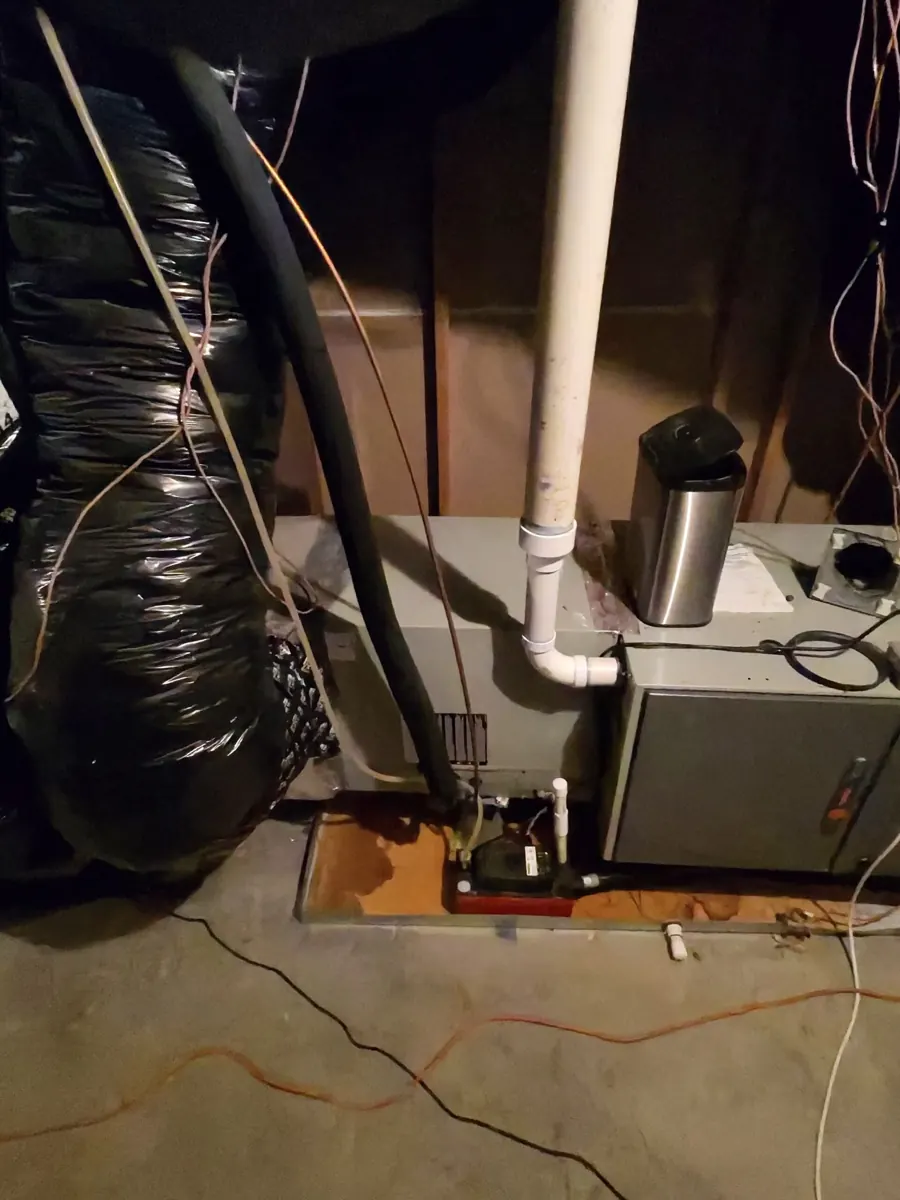
Many Middle Tennessee homes run their ductwork through a crawl space or attic. That’s out of sight, and it’s also where conditions are toughest: hot attics in July, damp crawl spaces most of the year, and animals, storage boxes, and contractors bumping into things. Over time, joints loosen, flex duct sags or gets crushed, and tape gives up.
When that happens, air you paid to heat or cool leaks out before it reaches your rooms. On the return side, leaks can pull dusty, humid crawl-space or attic air into the system. Here’s how to tell if your ducts are part of the problem.
Signs your ducts may be leaking
ENERGY STAR lists these signs of poorly performing ducts (ENERGY STAR):
- High summer and winter utility bills.
- Rooms that are hard to heat or cool, often the ones farthest from the system or over a garage.
- Stuffy rooms that never seem comfortable.
- Ducts in an attic, crawl space, or garage.
- Tangled or kinked flex duct.
From what we see in Middle Tennessee homes, add these:
- More dust than usual, or dust streaks around supply vents.
- A musty smell when the system starts, which can mean it’s pulling air from a damp crawl space.
- A house that feels humid even with the AC running. (See our guide: why your house feels clammy with the AC on.)
- Weak airflow at some vents while others blow hard.
What you can safely check yourself
If you can get into the crawl space or attic safely, a flashlight look can tell you a lot. Don’t crawl into tight or wet spaces, and watch for wiring, nails, and insulation.
- Disconnected or sagging sections. Flex duct should be supported, not lying in the dirt or draped over joists.
- Crushed or kinked flex duct. Flattened ducts choke airflow to the rooms they feed.
- Tape that’s peeling or gone, especially old cloth duct tape at joints.
- Missing or damaged insulation on ducts in unconditioned spaces.
- Moisture. Wet insulation, rust on metal duct, or water stains can mean condensation or a drain problem.
- Registers and grilles. ENERGY STAR notes that vents and registers should be well sealed where they meet floors, walls, and ceilings (ENERGY STAR).
Take photos. They help a technician understand what’s going on before the visit.
How leaky ducts get fixed
Sealing
ENERGY STAR recommends sealing leaks with mastic sealant or metal (foil) tape, and says plainly: never use duct tape, because it doesn’t last (ENERGY STAR). Joints, seams, and the connections at the air handler and plenums are the usual targets.
Insulating
After sealing, ducts in attics, crawl spaces, unfinished basements, and garages should be insulated (ENERGY STAR). In a Tennessee attic, that keeps cooled air cool. In a crawl space, it also helps prevent condensation on cold supply ducts in summer.
Repairing or replacing sections
Crushed, torn, or badly routed sections often need to be replaced and properly supported. If a whole system was poorly designed, with long runs, undersized returns, or rooms that were never balanced, a technician may recommend redesigning part of the duct system. Our ductwork team handles both repairs and full replacements.
Balancing and zoning
Once the ducts are tight, some homes still have a room or a floor that runs hot or cold. Balancing airflow, or adding a zone control system with separate thermostats, can even that out.
Questions to ask your HVAC technician
- Where are my biggest leaks? Supply side, return side, or at the air handler?
- What will you seal with? You want to hear mastic or metal tape, not cloth duct tape.
- Will you insulate after sealing? Especially in the attic and crawl space.
- Are any sections crushed or undersized? Ask to see photos.
- Is my return air big enough? Restricted returns hurt airflow and comfort.
- Do I need repair, or partial or full replacement? Ask why, and what each option fixes.
- Should anything else be checked while you’re here? Filters, the air handler, and indoor air quality equipment are often worth a look.
Why this matters for your system
A leaky duct system makes your heat pump, furnace, or AC run longer to keep the house comfortable, and the rooms at the end of the leaky runs still lose out. Sealing and insulating ducts can make your home more comfortable, more energy efficient, and safer (ENERGY STAR). If you’re planning a new system, have the ducts checked first. A new unit connected to leaky ducts won’t deliver what you paid for.
Get your ducts checked
True Blue Heating and Cooling inspects ductwork for leaks, poor airflow, crushed sections, and blockages, then explains whether a simple repair will do or an upgrade makes more sense. A True Blue Maintenance Plan includes two visits a year, so small duct problems get caught early.
We serve Murfreesboro, Thompson’s Station, College Grove, Peytonsville, Belle Meade, and the rest of Middle Tennessee. We’re open 24 hours a day, 7 days a week. Call Columbia at (615) 568-7450 or Spring Hill at (615) 247-4204, or contact us online.
Frequently asked questions
How much air do leaky ducts waste?
ENERGY STAR estimates that in a typical house about 20–30% of the air moving through the duct system is lost to leaks, holes, and poorly connected ducts.
Can I seal my own ducts with duct tape?
No. ENERGY STAR recommends mastic sealant or metal tape and says never to use duct tape, because it doesn't last. For ducts in tight crawl spaces or hot attics, a technician can seal and insulate them safely.
What are signs of leaky ductwork?
High heating and cooling bills, rooms that are hard to heat or cool, stuffy rooms, extra dust, a musty smell when the system runs, and kinked or disconnected flex duct in the attic or crawl space.
Should ducts in a crawl space be insulated?
Yes. ENERGY STAR recommends insulating ducts in unconditioned spaces like attics, crawl spaces, unfinished basements, and garages after they're sealed.
Should I fix my ducts before replacing my HVAC system?
It's smart to have them inspected first. A new system connected to leaky or undersized ducts can still leave rooms uncomfortable and waste energy.