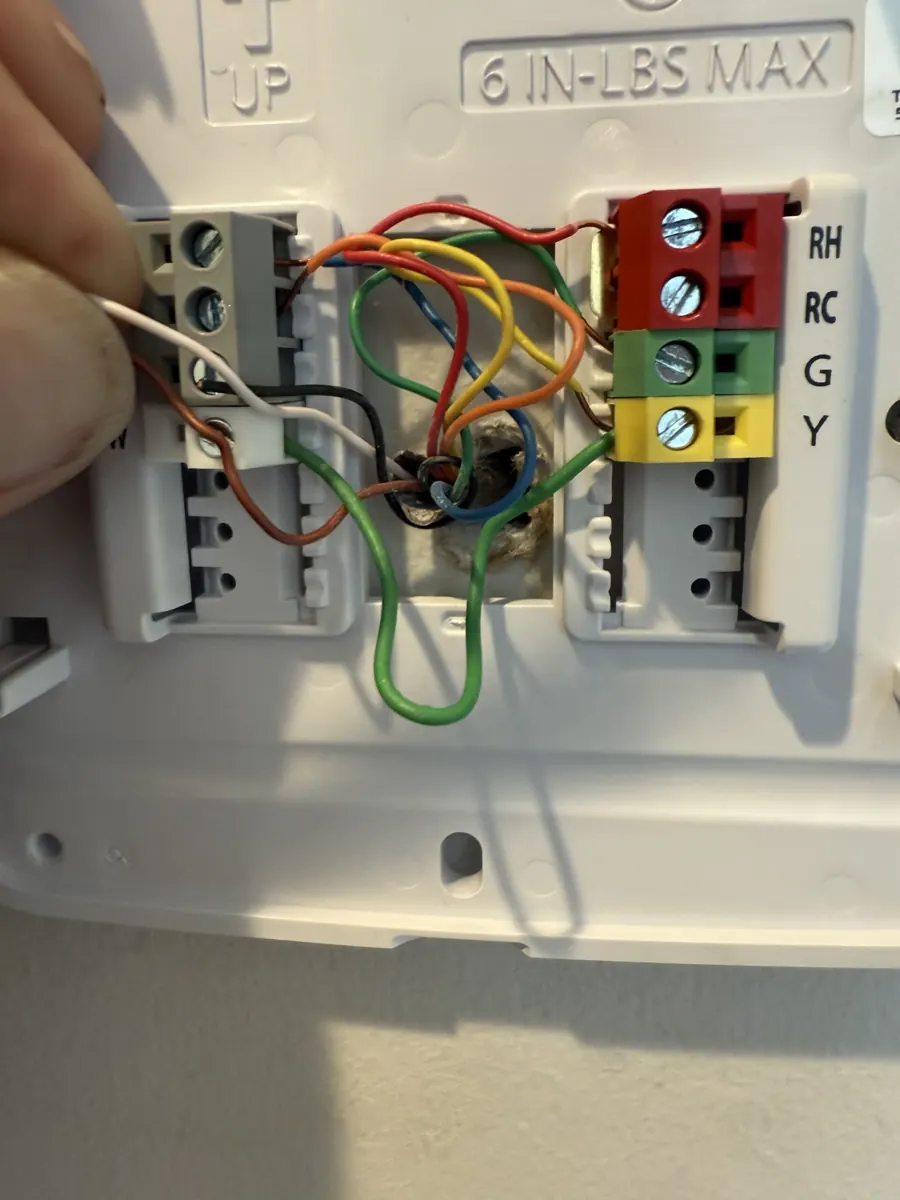
Short answer: A zone control system uses motorized dampers in the ductwork and a thermostat in each zone. A control panel opens and closes the dampers so one system can serve different areas at different temperatures.
When zoning helps
- Two-story homes where upstairs is hot in summer
- Bonus rooms over garages
- Open floor plans with lots of glass
- Finished basements
- Rooms used only part of the day
Zoning or a second system?
Zoning works well when your system is properly sized and the ductwork can handle it. If a room was never tied into the ducts, a ductless mini-split may be the better fix. In larger homes, a second system can make more sense. We'll look at the house and recommend the simplest option that solves the problem.
Done right
Good zoning needs a way to handle extra air when only one zone is calling, compatible equipment, and correct thermostat setup. We design for all three.
Current offers and pricing
- $169/year True Blue Maintenance Plan: two tune-ups a year scheduled preseason, a waived diagnostic fee, zero overtime charges, a 1-year repair warranty, and 10% off indoor air quality products. Expires November 30, 2026.
- $99 maintenance service: a heating or cooling tune-up with a full system inspection, safety checks, cleaning of key components, and adjustments for peak efficiency.
Frequently asked questions
Can zoning be added to my existing system?
Often, yes. It depends on your equipment and ductwork. We'll check both first.
How many zones can I have?
Most homes use two to four zones. More zones need careful design to protect the equipment.
Does zoning save energy?
It can, by not heating or cooling areas you aren't using. The bigger benefit is usually comfort.
Need help with zone control?
Call our Columbia office at (615) 568-7450 or our Spring Hill office at (615) 247-4204, or book online. We answer 24 hours a day, 7 days a week.